Remember the species you see
You look them up, forget them, look them up again. Alkas breaks the cycle with daily study sessions — 15 minutes, 152,000+ species, and an algorithm that adapts to your memory.
Without review, most of what you learn fades within days
Based on Ebbinghaus's forgetting curve research
of new knowledge forgotten within a week without review
more effective than cramming for long-term retention
per day is enough to build lasting species recognition
You see a beautiful butterfly. You look it up. "Painted Lady." Cool. A month later, you see it again. No idea what it is.
This isn't your fault. It's how human memory works. Without reinforcement, knowledge fades. Field guides teach you once. Merlin identifies for you. Neither helps you actually remember.
Spaced repetition fixes this. It's the same technique medical students use to memorize thousands of facts, now applied to wildlife.
Naturalists have been asking for this since 2019
"Please create a feature to make flashcards from a selection of species descriptions"
"Generate flashcards based on a search or a group ID"
"Does anyone have any resources to learn how to better identify a wider variety of organisms on my own?"
"Why isn't there a NatureNerd Trivia Quiz Game? iNat data would make for a great natural history quiz app"
Start learning in under 2 minutes
Pick what to learn
Choose a region, park, or group — birds, plants, insects, and more. We'll build a deck of species you're likely to encounter.

Practice 15 minutes a day
Photo or bird call on front, name on back. The algorithm schedules each review at the perfect time.

Remember them in the wild
After a few weeks, you'll recognize plants, animals, birds, mushrooms, and more by sight and sound.

Flashcards that know when you'll forget
The scheduling algorithm times each card at the optimal moment — right before you'd forget. Cards you struggle with appear more often. Cards you know well space out to weeks, then months. Species you keep getting wrong are tracked separately so you can focus on your weak spots.
After a few weeks, species recognition becomes automatic. You'll spot a warbler and know its name without thinking.

Create Study Deck
This deck updates automatically if species matching your filters change.
Deck Filters
712 species currently match these filters
Decks built for where you are
Nocturnal mammals of Algonquin Park. Shorebirds of the Florida Keys. Summer warblers of your local park. Pick a region, filter by group and season, add community traits — and you have a study deck in seconds.
Browse community decks built by other naturalists and follow them to study along. The community adds traits like "nocturnal," "migratory," or "venomous" to species and votes on them. You can use any trait as a deck filter, so your decks match exactly what you want to learn.
Your life list, connected
Connect your iNaturalist account to import species you've observed, or upload your life list from eBird (includes Merlin data) or Audubon Bird Guide. Learn the species you've already seen to cement your knowledge, or discover new ones nearby.
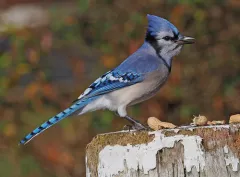
Blue Jay
Cyanocitta cristata
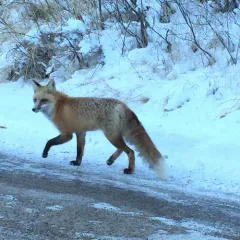
Red Fox
Vulpes vulpes
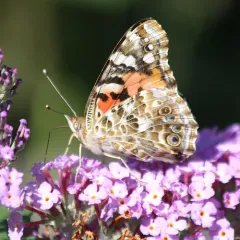
Painted Lady
Vanessa cardui
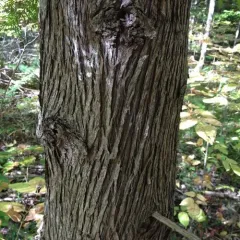
Snapping Turtle
Chelydra serpentina
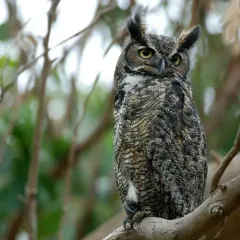
Great Horned Owl
Bubo virginianus
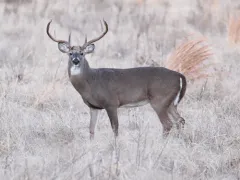
White-tailed Deer
Odocoileus virginianus
Built for how you actually learn
Trip preparation
Build a deck for your destination park and identify species on sight when you arrive.
Daily practice
15 minutes a day builds lasting recognition. The algorithm handles scheduling.
Seasonal learning
Filters show what's active in your area right now — spring warblers in spring, winter raptors in winter.
How Alkas compares
Common questions
Your field guide teaches you once. Alkas helps you remember forever.
Free. No credit card required.
Start Learning